Medical Mutual

Member Experience

How might we bridge web and mobile experiences to deliver a cohesive digital journey for Medical Mutual members?
Role UX Lead
Channel Android, iOS, Web
Timeframe 3 months
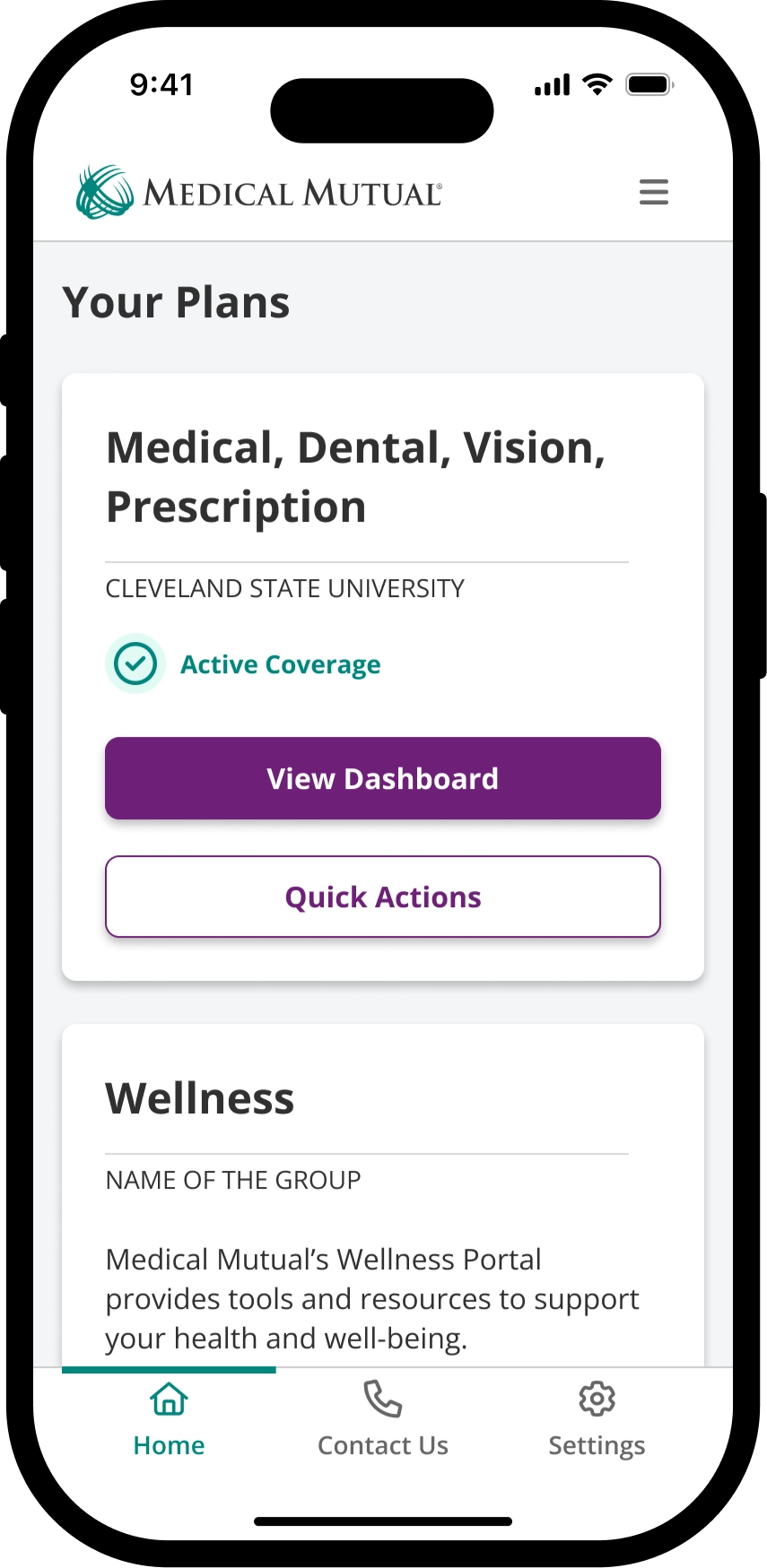
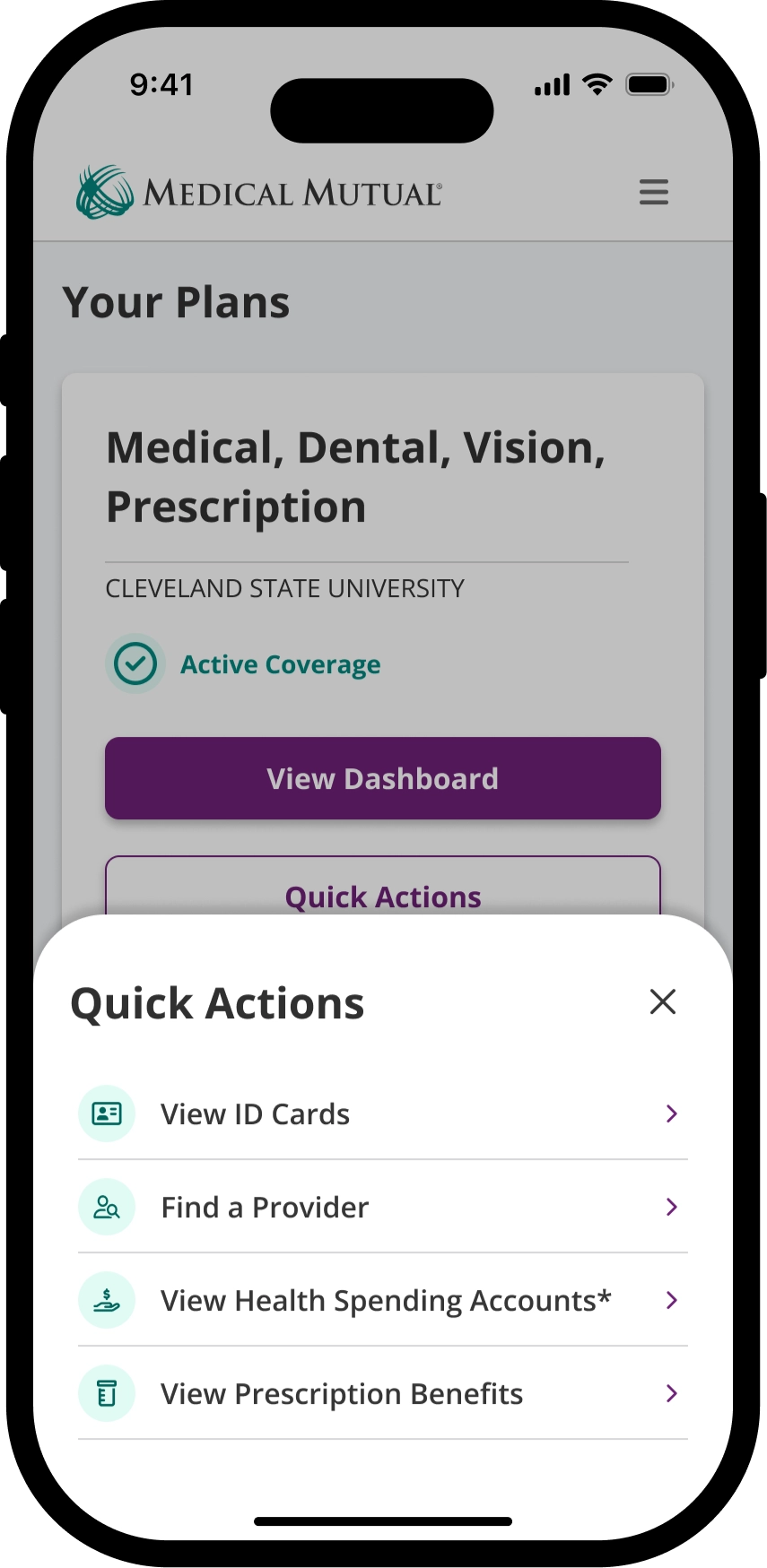
Overview The MedMutual mobile app by Medical Mutual of Ohio helps users manage their health plan easily. It provides instant access to insurance details, lets users find in-network providers, check treatment costs, and track healthcare spending.
Contribution I worked as Lead UX Designer, navigating multiple platform migrations while stabilizing internal tools and consumer-facing experiences across a healthcare insurance ecosystem.

Problem Medical Mutual of Ohio's mobile platform sees the highest user engagement, yet lacks key features that are available on desktop. Maintaining separate systems increases operational complexity and raises management costs, creating inefficiencies that impact users and administrators. Consolidating platform functionality could improve accessibility, reduce expenses, and streamline the user experience.
Hypothesis By unifying mobile and web experiences through a scalable, framework-agnostic platform with enhanced tracking capabilities, we can reduce member friction in accessing care information, decrease operational overhead from maintaining parallel systems, and enable data-driven personalization that improves member confidence in understanding their benefits and making informed healthcare decisions.
Disclaimer: Due to compliant restrictions, details have been omited. Let's connect for more details!

Overview

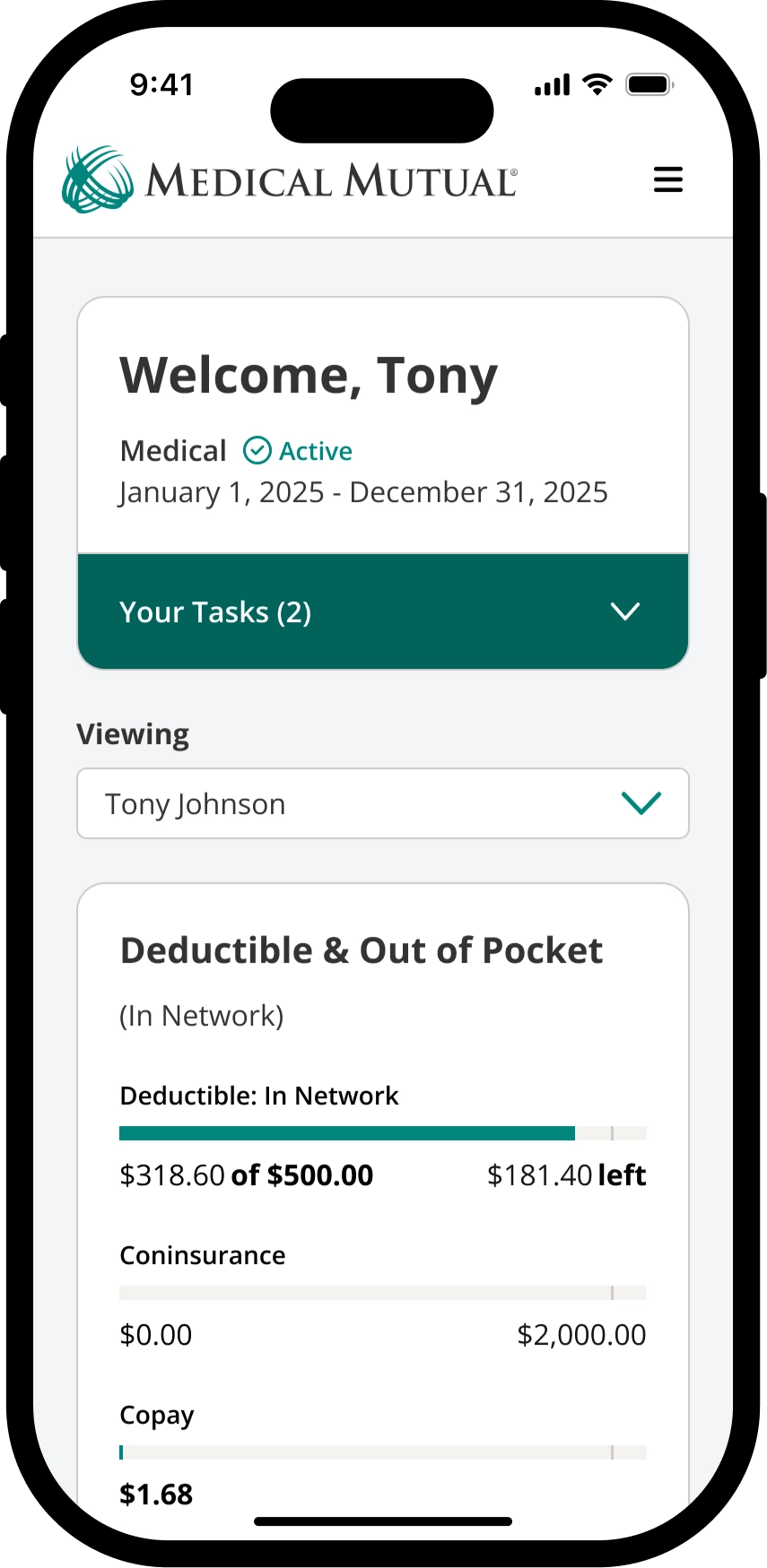
The Mutual Experience Application (MXA) makes it easy for our customers to understand and utilize their insurance coverage, contributing to a sense of value and peace of mind around personal health and financial wellness.Members currently have two distinct experiences as Medical Mutual, our current web experience for My Health Plan and mobile app, MedMutual. As a UX Lead, I lead ideation and high-level exploration to pave a path forward for mobile-to-web scale up efforts with usability testing. The work reflected in this page are not a reflection of a final product in market, but more of a concept to closely support data analytics and user research insights.

Problem

  • 01
    Fragmented access

    Products and services exist in separate code repositories, creating challenges for mobile-to-web parity.

  • 02
    Limited personalization

    Current tracking and analytics are limiting the creation of a data-driven personalized group experience.
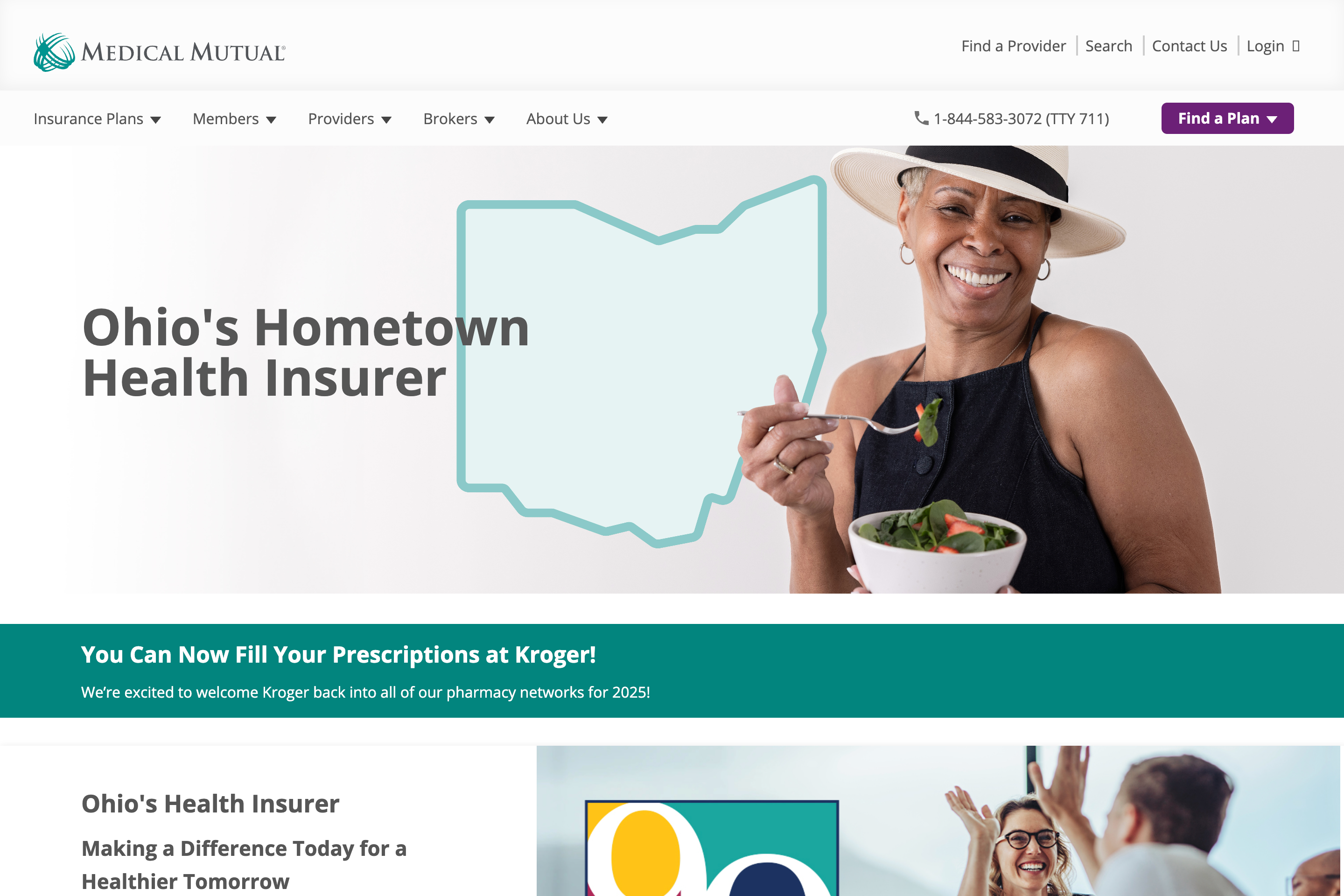
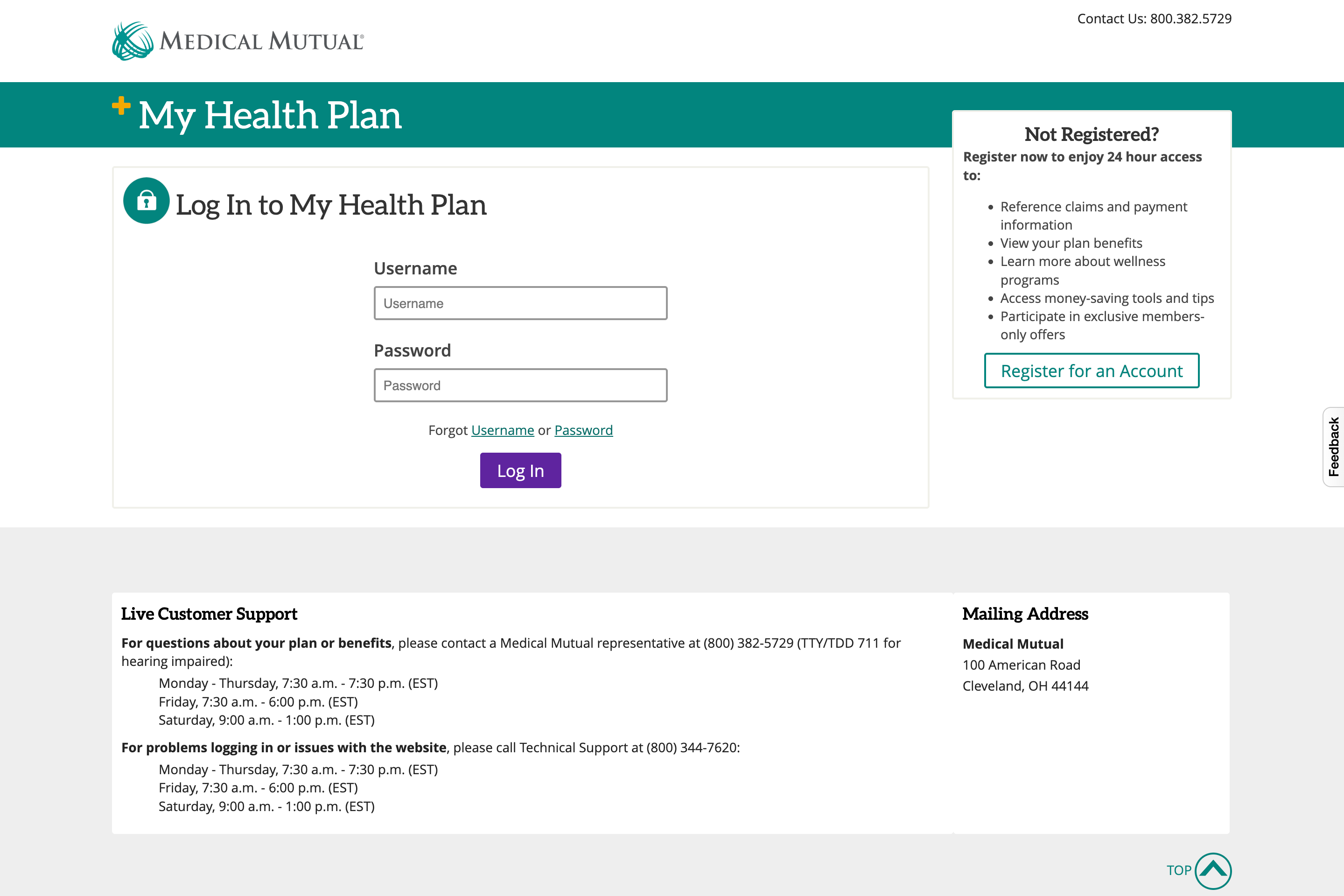
medmutual.com
medmutual.com
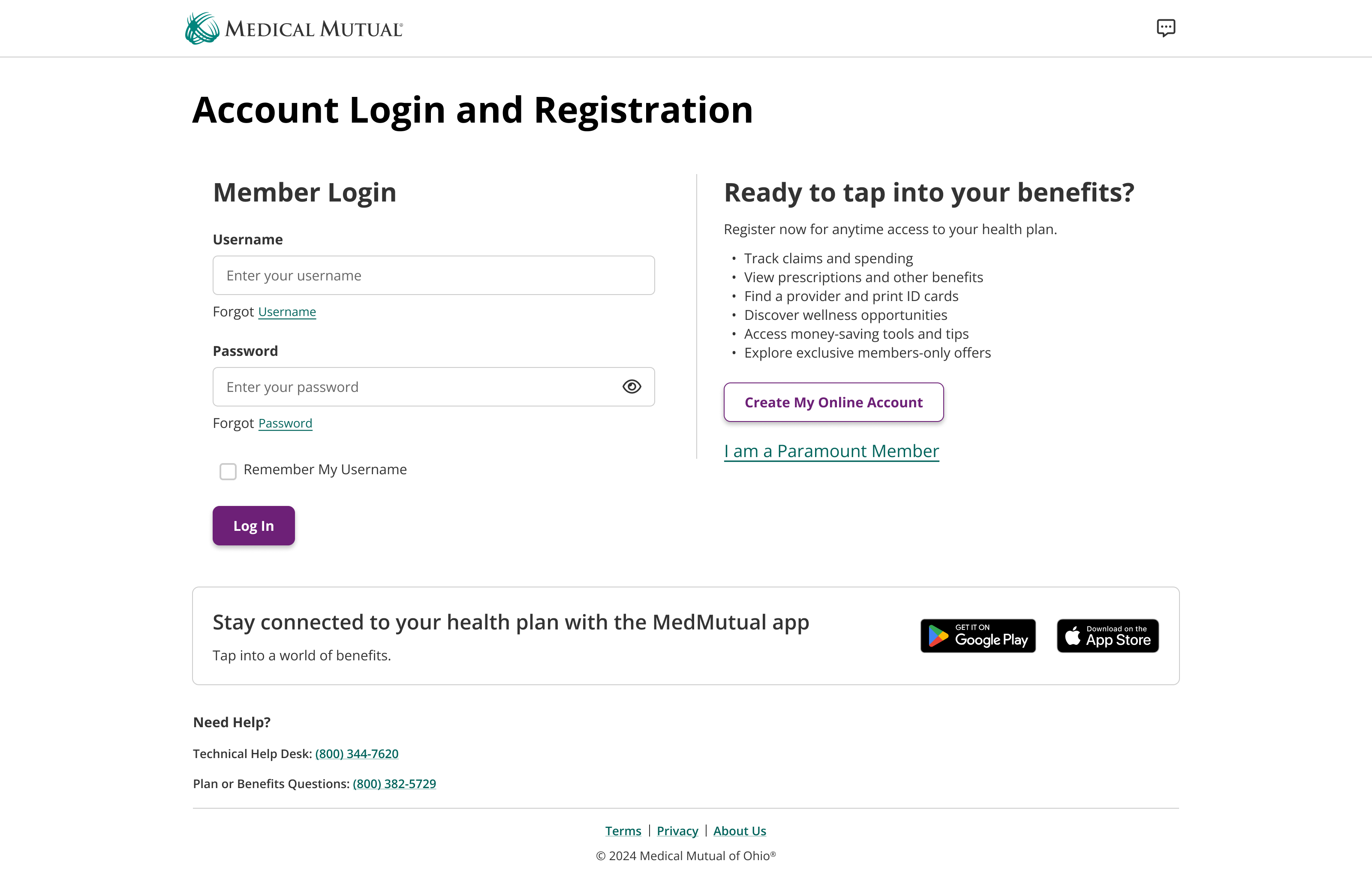
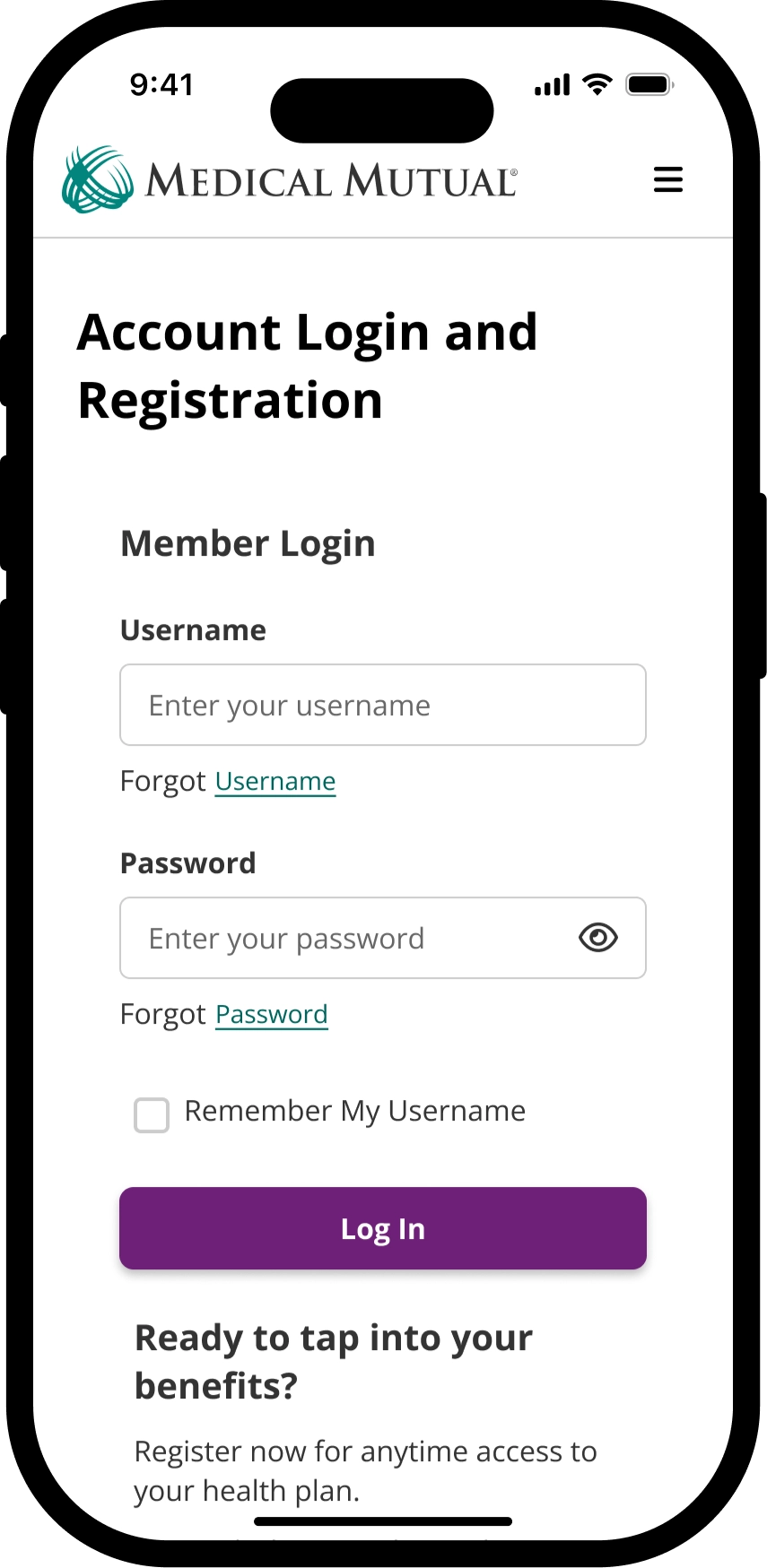
Identity service, login
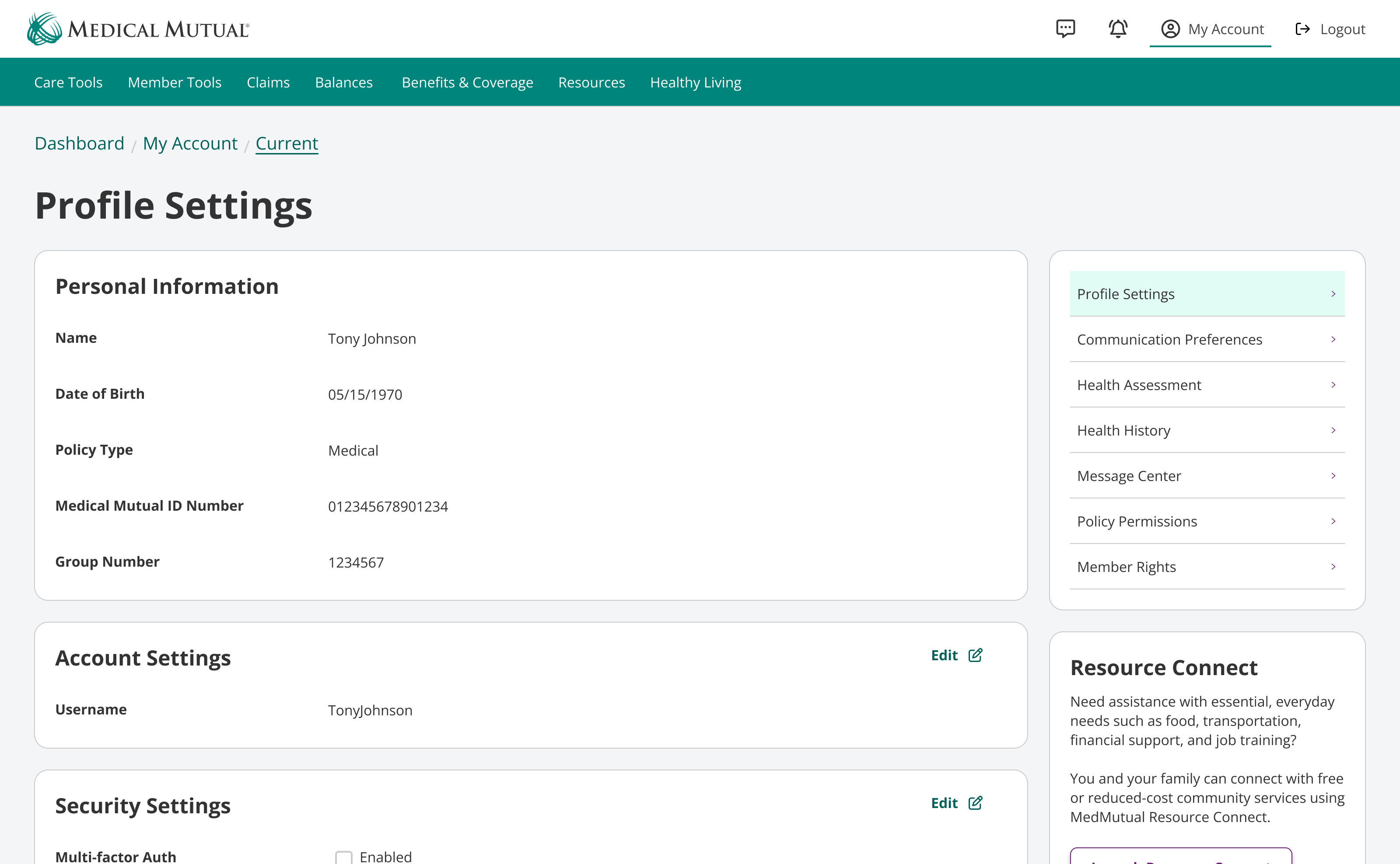
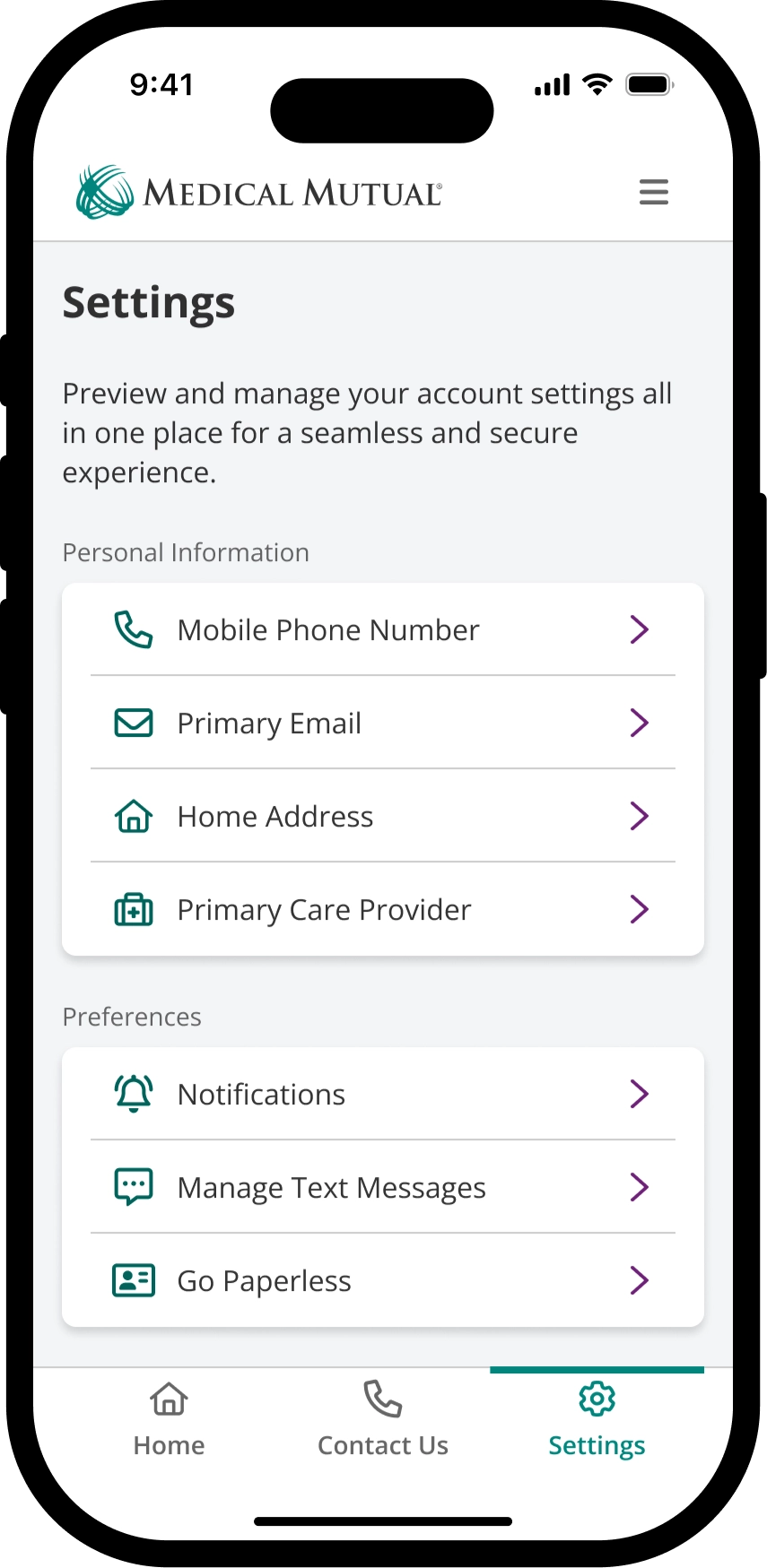
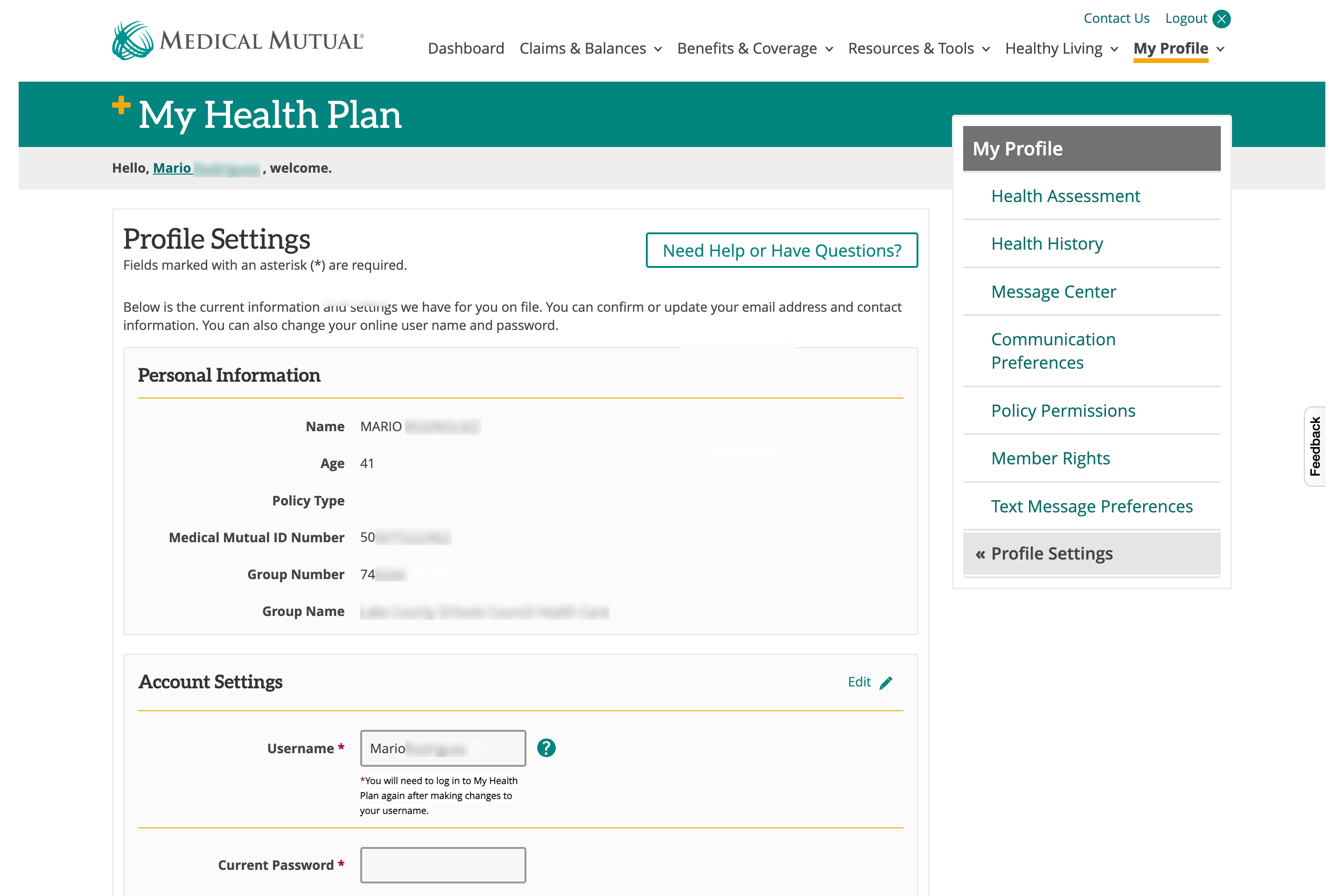
Profile Settings
Profile Settings
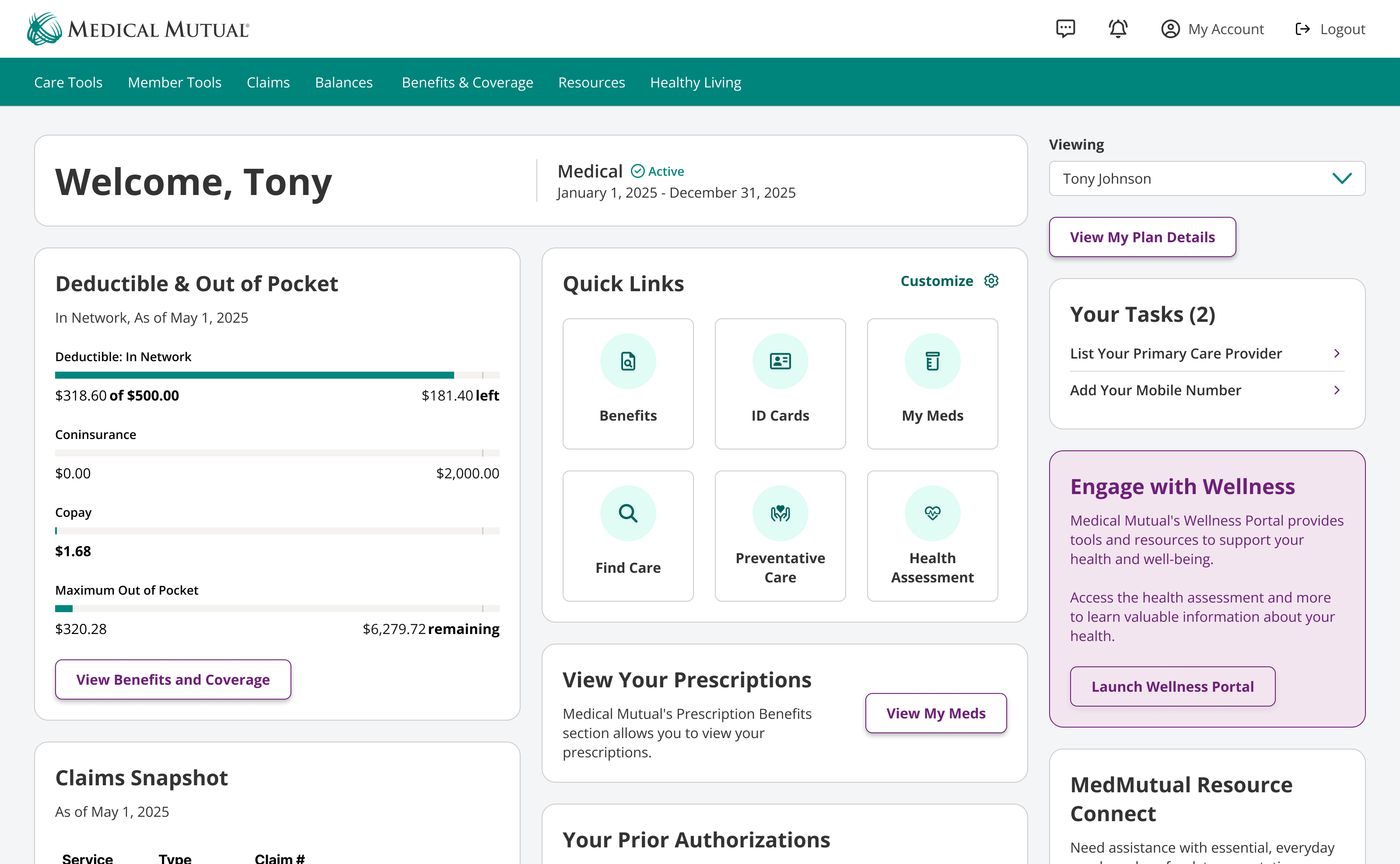
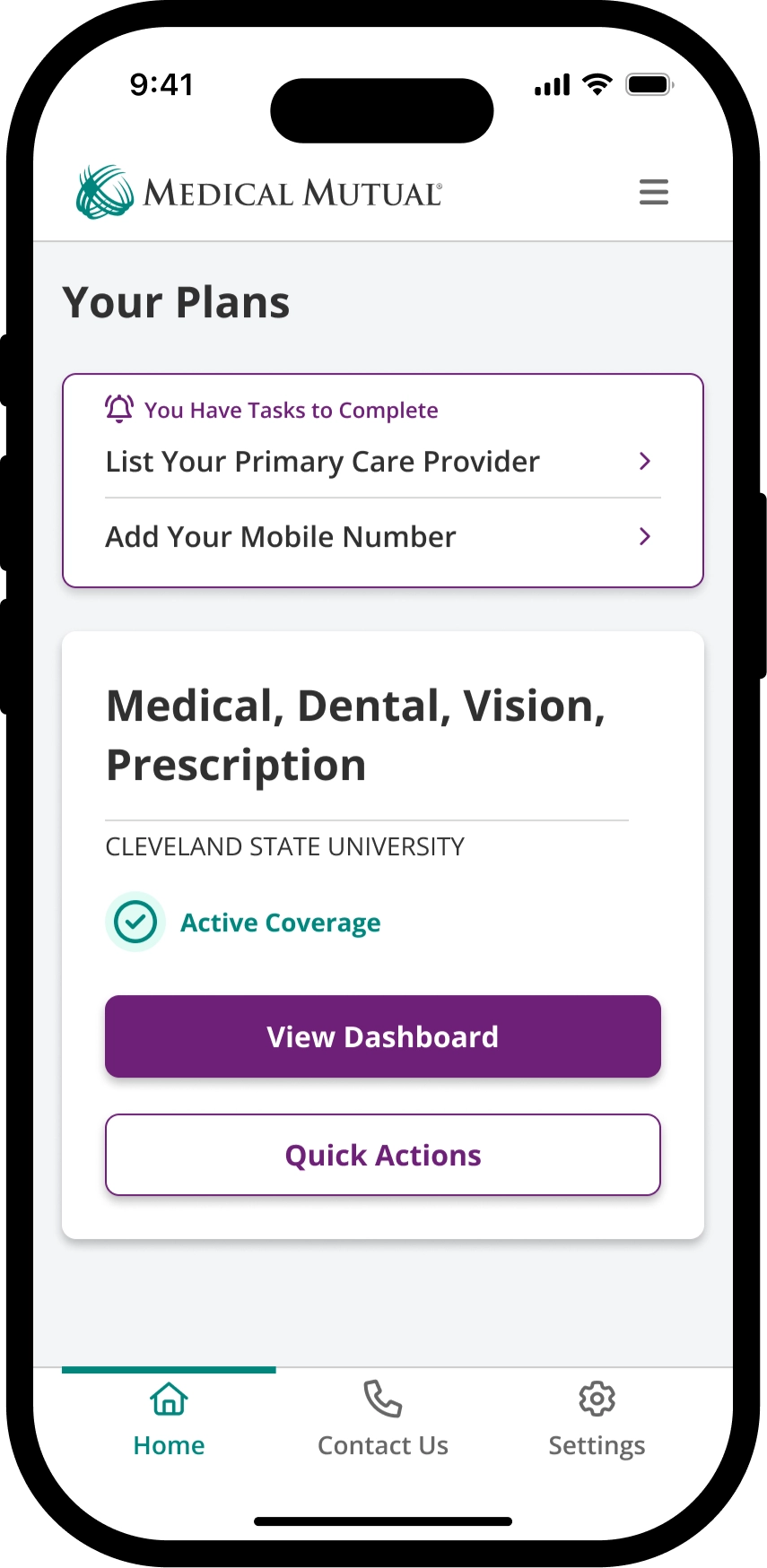
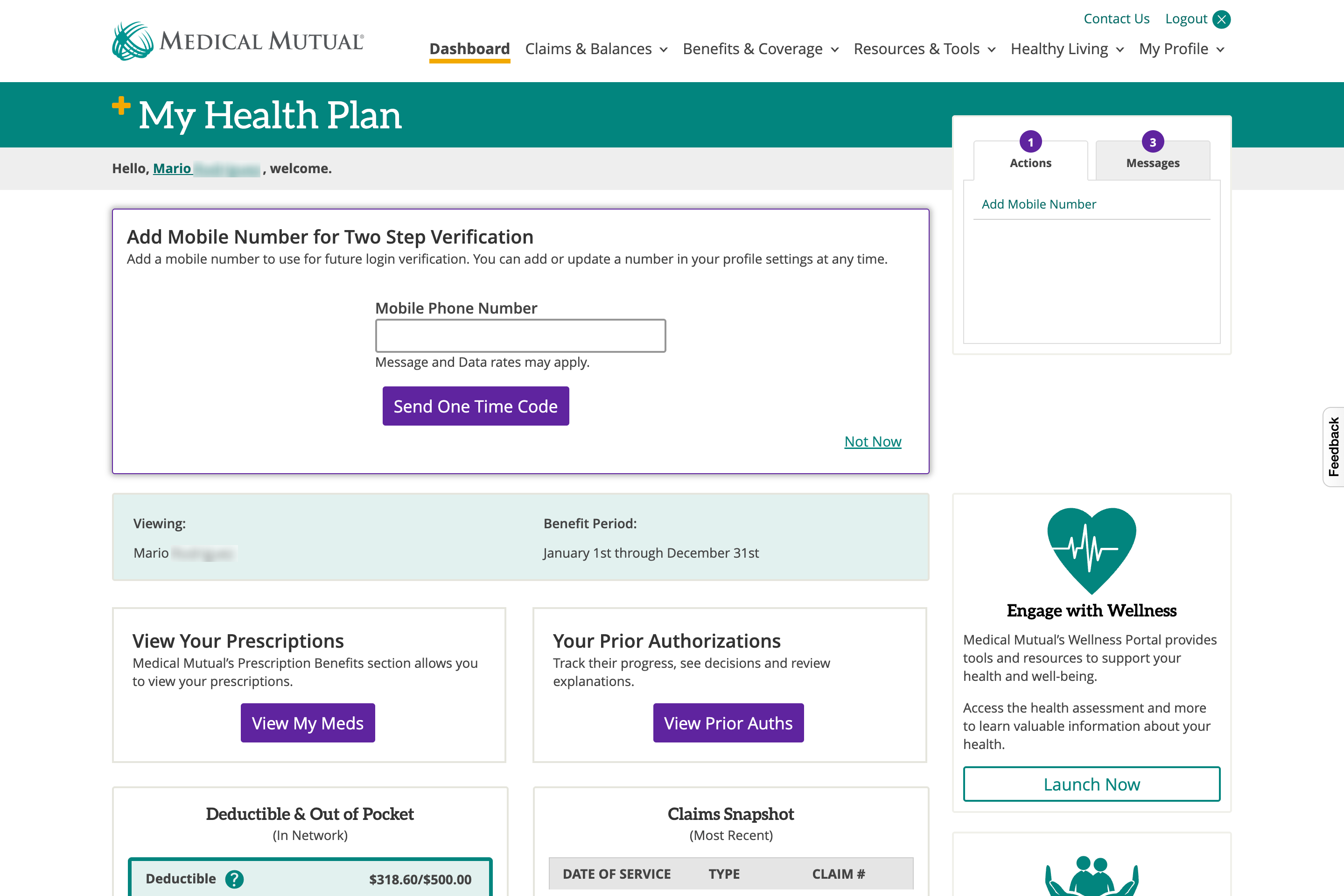
My Health Plan Dashboard
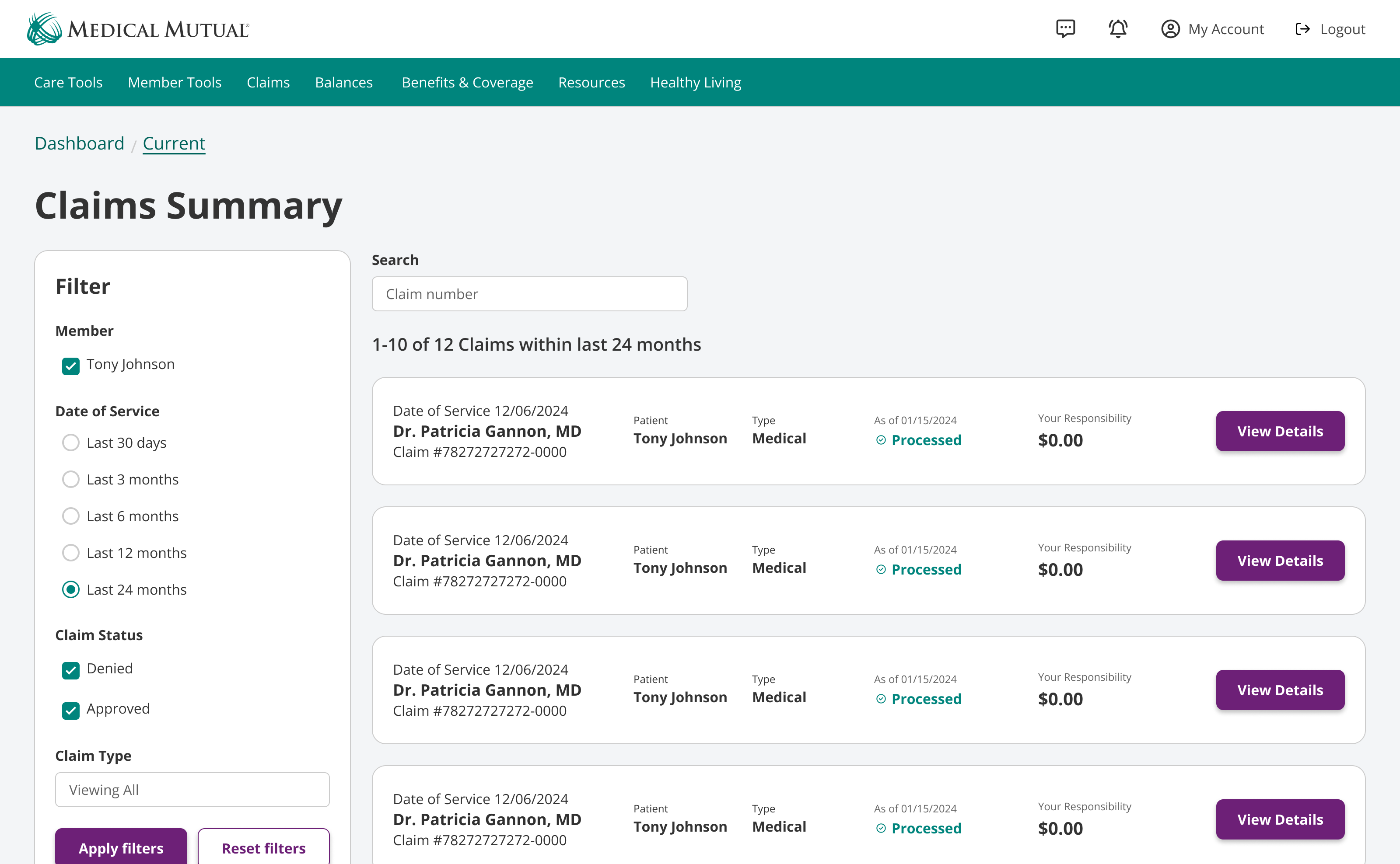
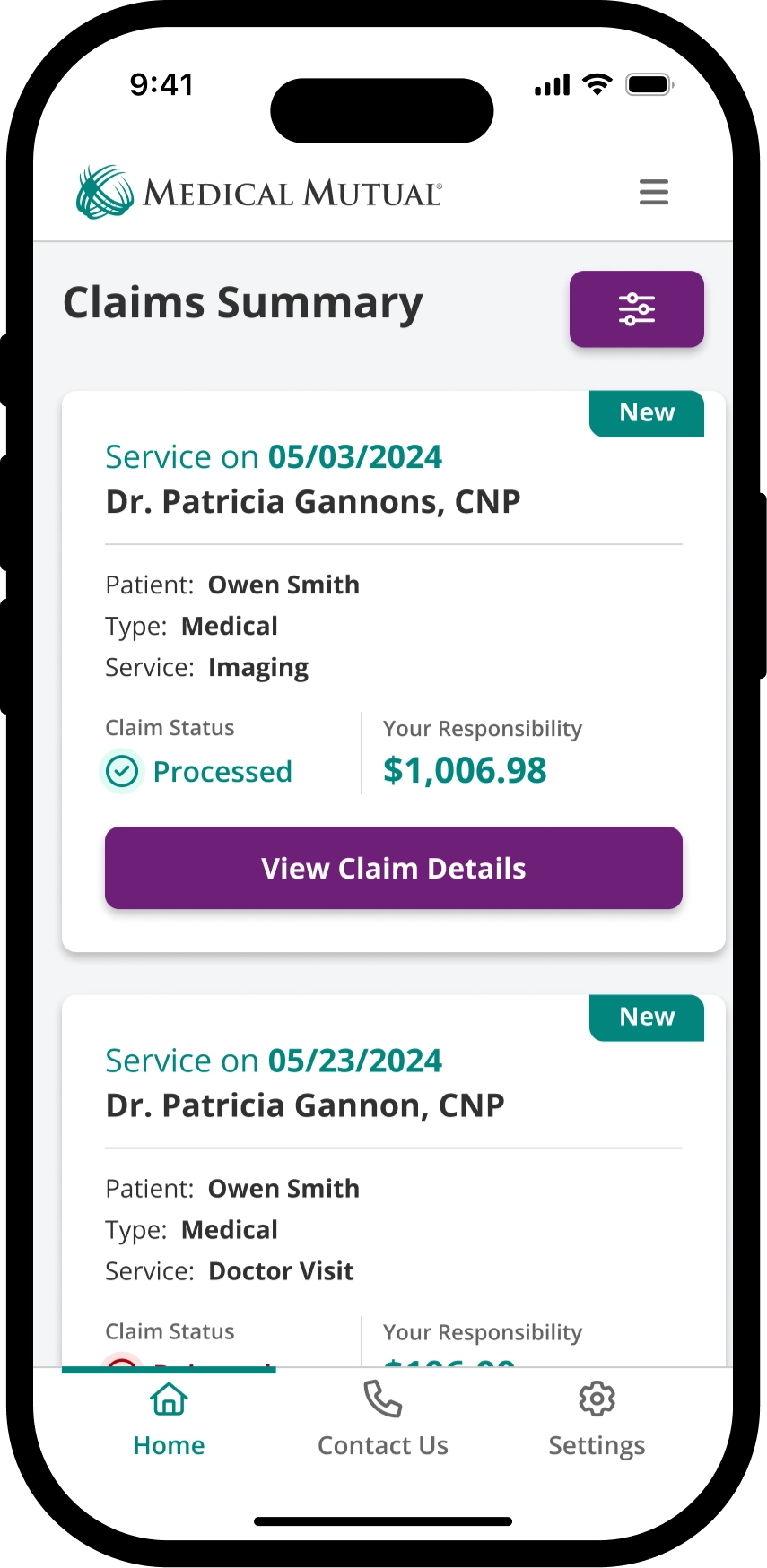
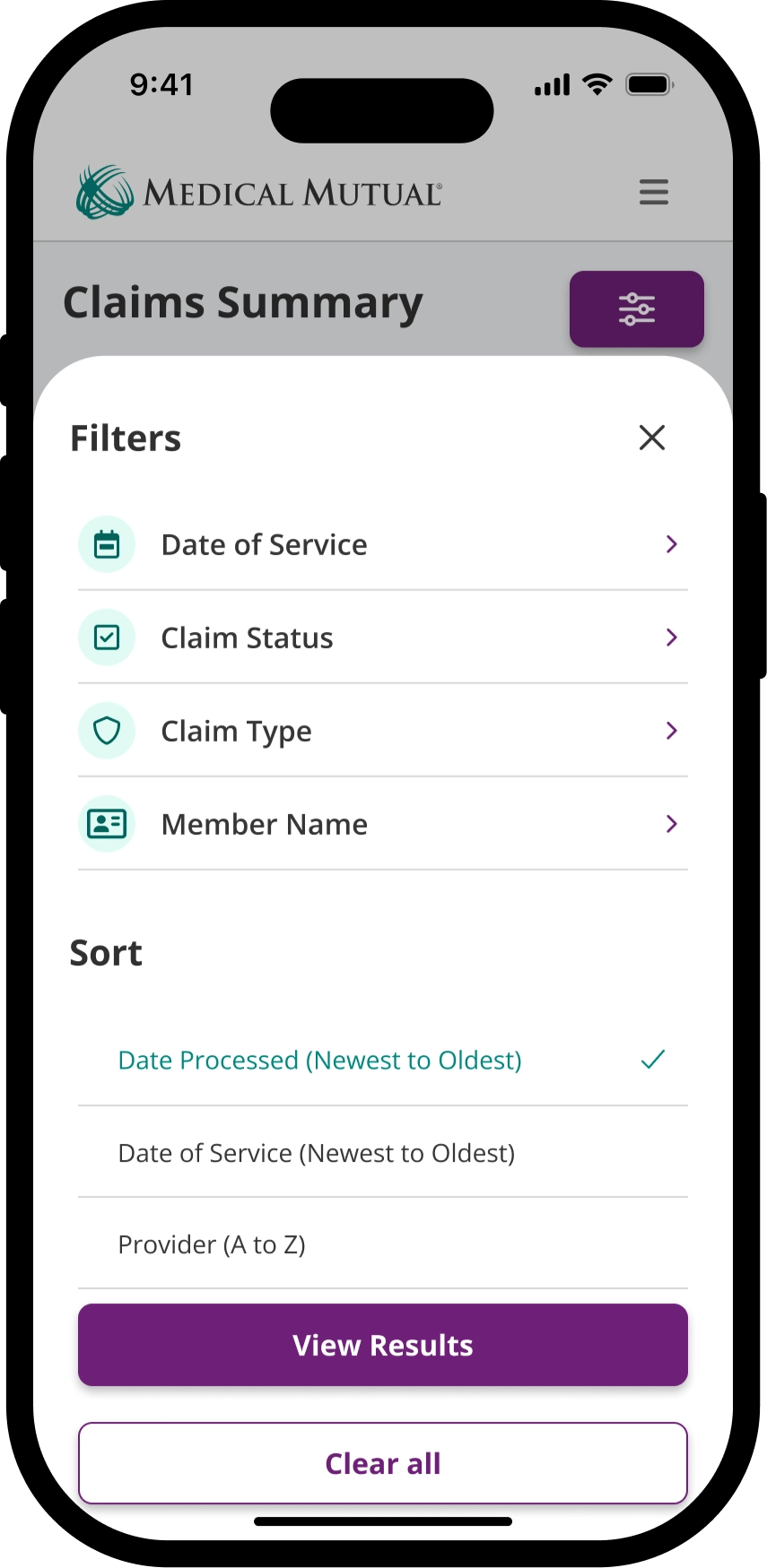
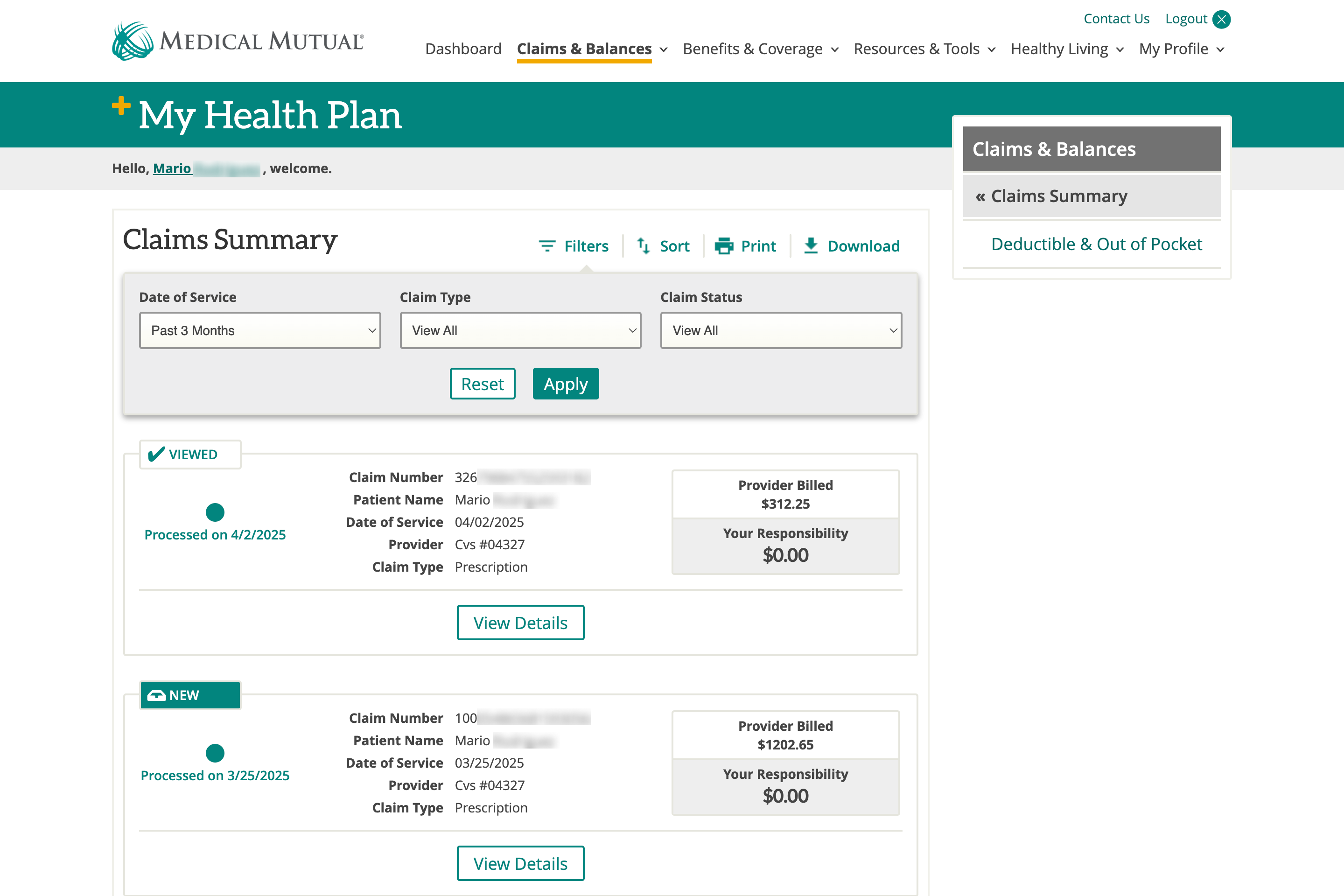
Claims Summary
Claims Summary
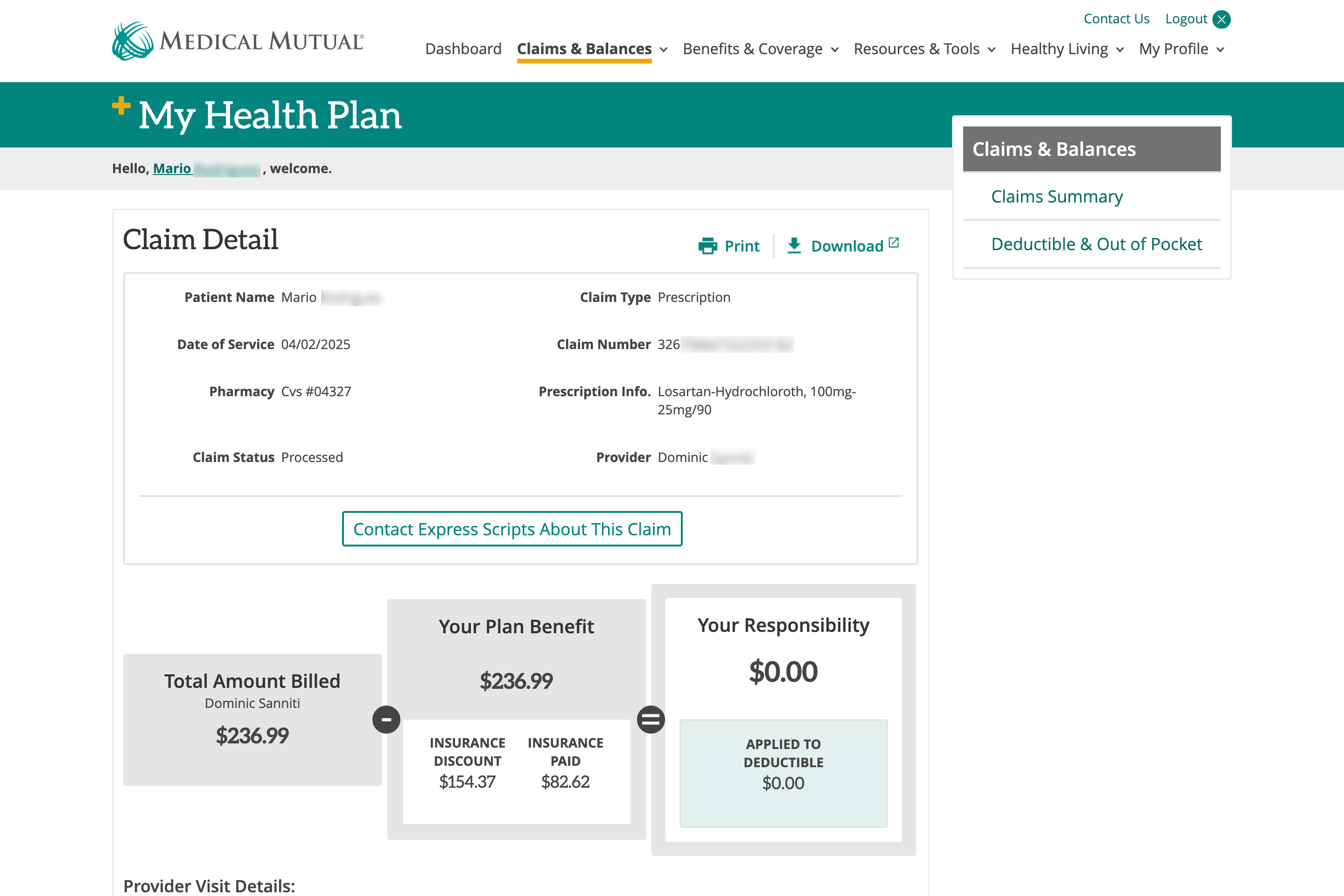
Claim Detail
Claim Detail

Solution

Establishing a structured messaging framework to ensure consistent language across all channels, improving communication clarity and alignment between mobile, desktop, and customer service interactions. Redesigned the benefits and claims experience for mobile-first accessibility, enhancing usability and efficiency.
  • 01
    Unified services

    Improve user experience by simplifying our navigation and integrating services to create a cohesive omnichannel experience.

  • 02
    Personalized platform

    Be the most trusted navigator for our members by tailoring our experiences to meet diverse needs and preferences.

Approach

In order to scale our experience, we decided to take a mobile-first approach to iterate and explore complex data sets and then scale for larger viewports. We set out to increase awareness of page regions' importance, enabling UX to iterate with a modular approach as we simultaneously prepared to conduct further navigation card sort studies.Before I joined Medical Mutual, previous contract UX designers from G2O conducted interviews, content audits, and initial sitemap proposals to narrow problem areas to help Medical Mutual plan our mobile-to-web scale-up efforts.Using page regions, we took a low-fidelity wireframe approach to create prototypes that translate interaction behavior with our Claims and Benefits experiences.

Insights
  • Members face difficulty locating claims mentioned in email notifications.
  • They require clear identifiers for claims, such as service date, doctor's name, and treatment type.
  • Notifications are preferred only for completed claims, not for initial processing or dispute updates.
  • Detailed cost breakdowns, coverage explanations, and real-time plan usage summaries are critical.
  • While members value access to cost details, data must be presented in a structured, easily digestible format to avoid feeling overwhelmed.
Recommendations
  • Keep members updated on claims so they can identify follow-up requirements and feel prepared.
  • Help members understand claim status, what to expect, and who to contact.
  • Make claim summary information scannable so that members can find specific claims confidently.
  • Provide members with a concise cost breakdown with enough facts to spot challenges and make educated care decisions.
  • Explain claim outcomes to help members plan future care and coverage decisions.
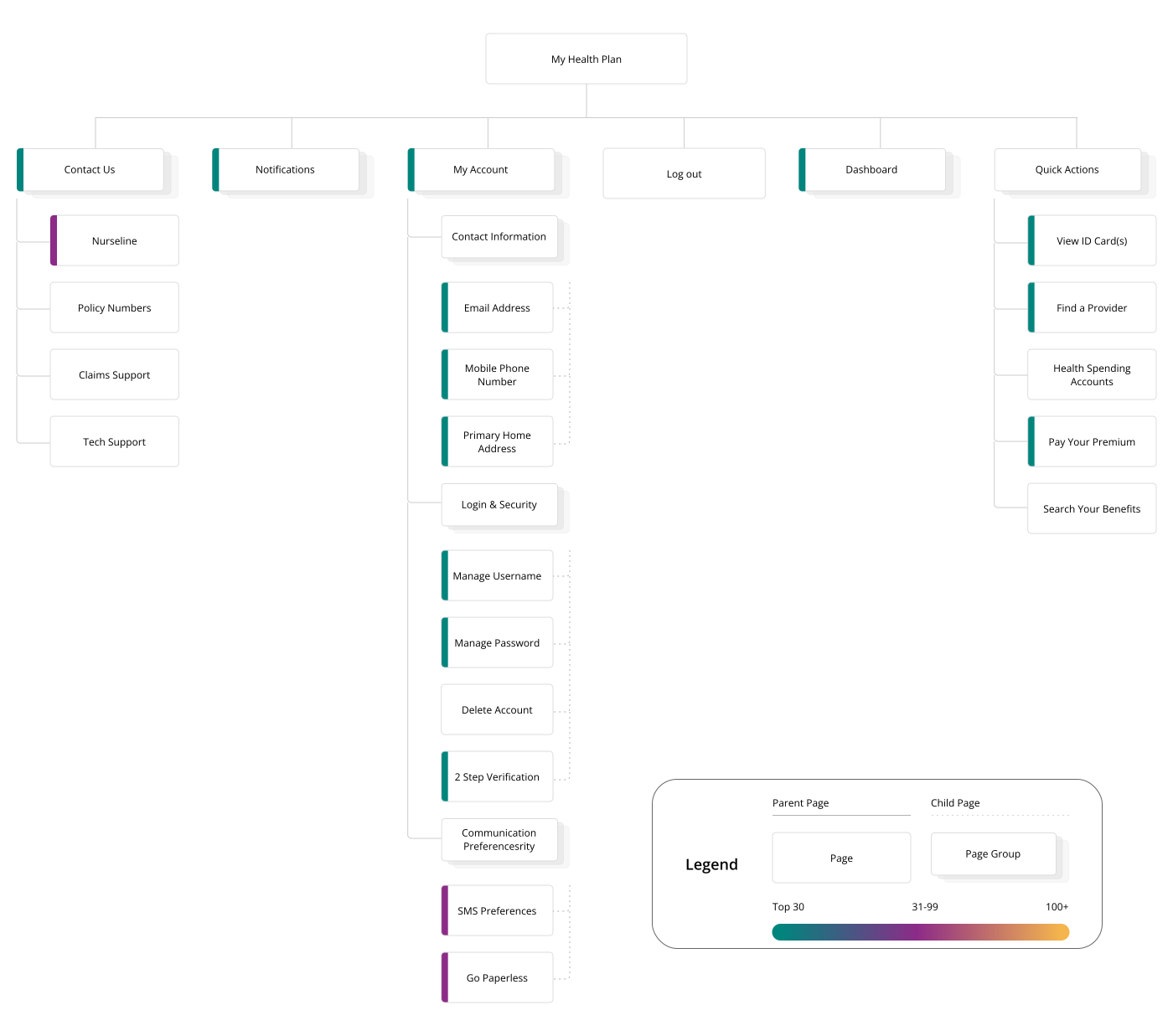
My Health Plan Sitemap

Ideation

We examined two main opportunities to enhance wayfinding and omnichannel experience by diving into solutions to improve navigation design and content delivery.
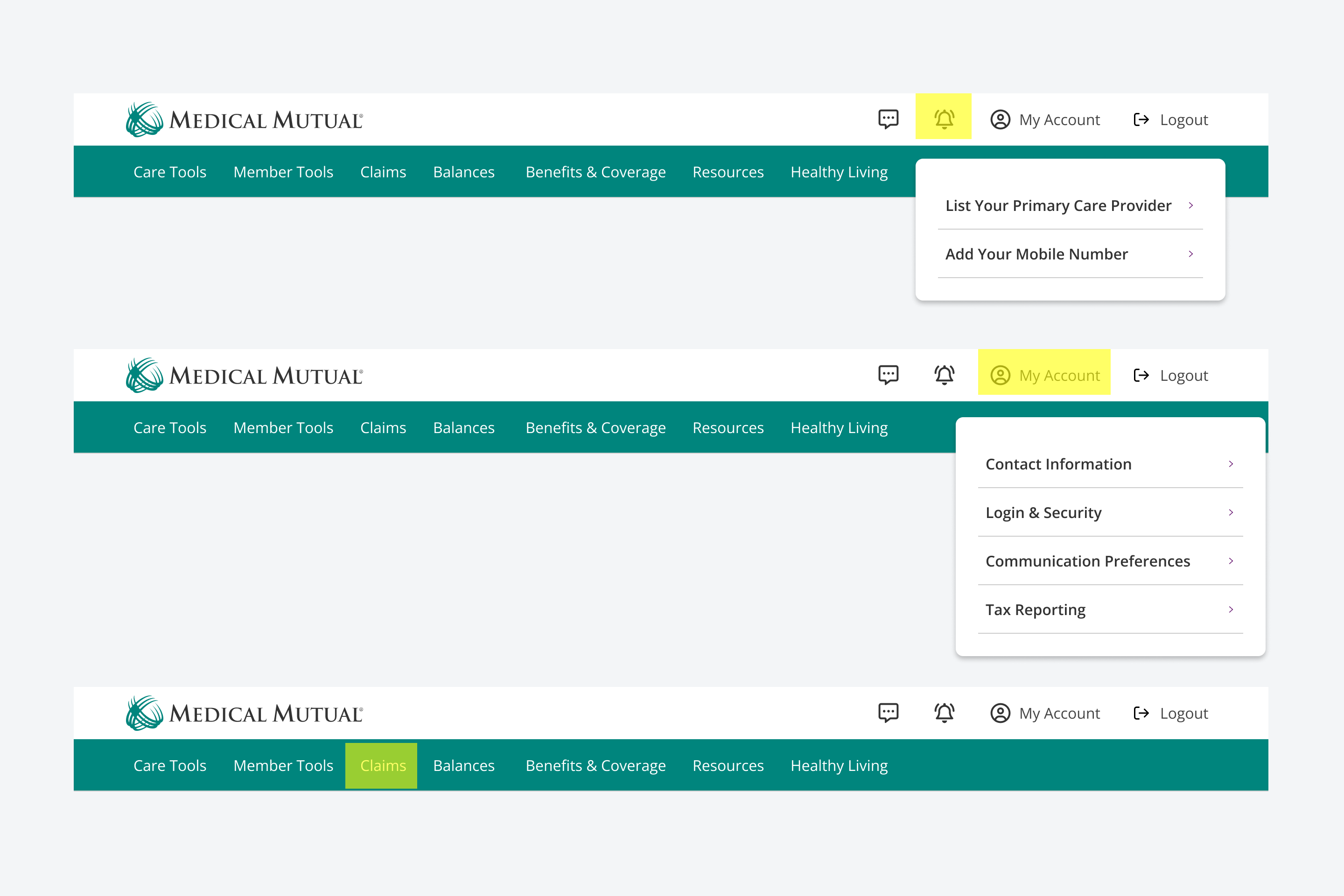
Designed wireframe navigation by translating the information architecture into intuitive pathways, ensuring clarity and usability.
Navigation Designed wireframe navigation by translating the information architecture into intuitive pathways, ensuring clarity and usability.
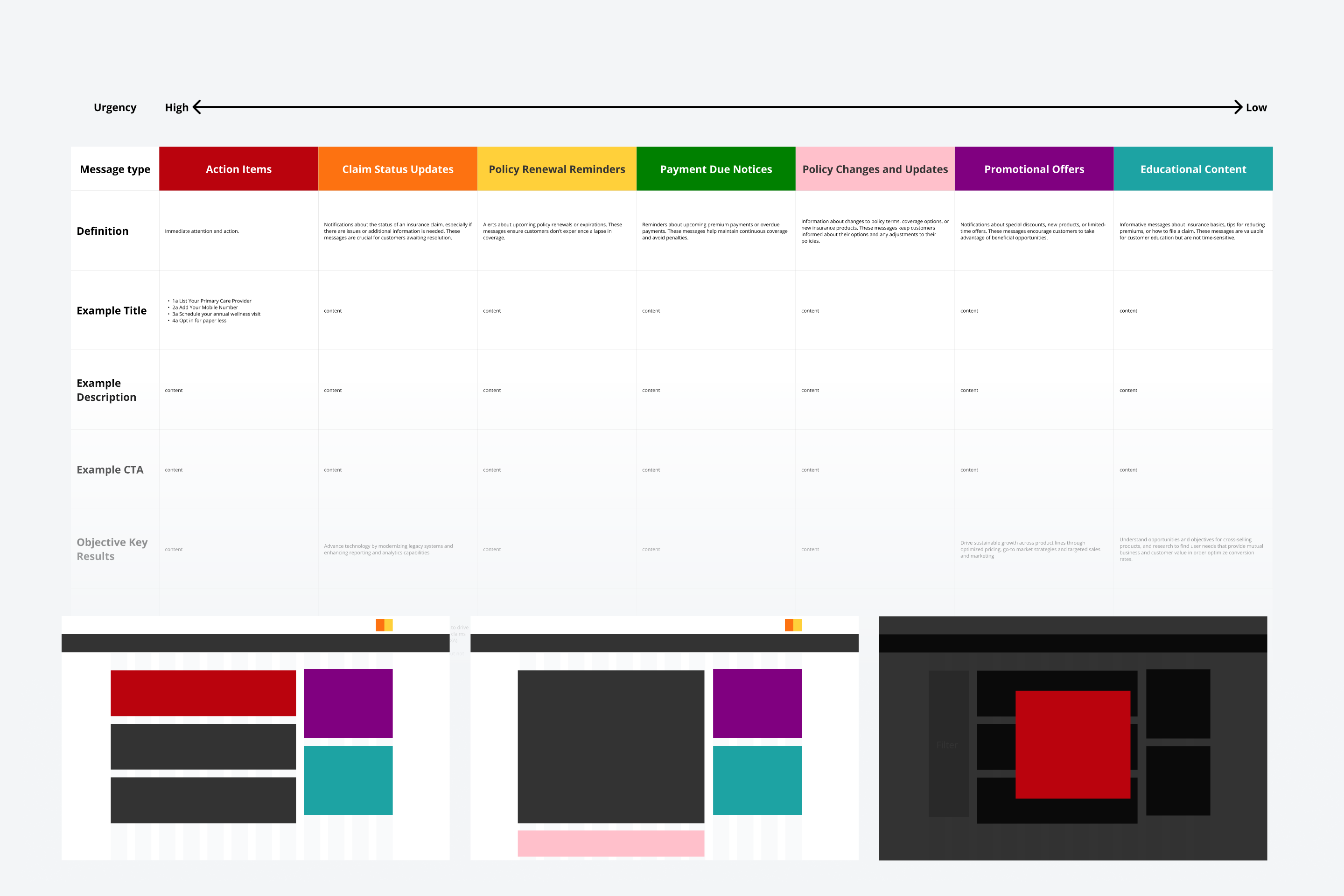
Developed a message prioritization framework to streamline and scale content delivery across multi-channel platforms.

Content Strategy Developed a message prioritization framework to streamline and scale content delivery across multi-channel platforms.

Wireframes

Identity serviceAuthentication login experience shared across member experiences.
Authentication login experience shared across member experiences.
Plan DashboardWidgets for top 30 page features, designed to streamline access to critical information.
Widgets for top 30 page features, designed to streamline access to critical information.
Account Profile SettingsManage personal information, preferences, login, and security.
Manage personal information, preferences, login, and security.
Claims SummaryFind a claim by enhanced identifiable information.
Find a claim by enhanced identifiable information.

Takeaway

While my role was affected by organization restructuring, I am grateful to have been introduced to working directly in health insurance with talented individuals in a complex yet rewarding space.

Lessons learned
  • It's okay to say you don't understand a technical flow because of the services involved. Clarity is an opportunity to level set with the entire team to ensure you have a shared understanding of the work and who exactly it impacts.
  • Documentation is critical, especially when inheriting other designers' work. Advocate for a common practice to onboard and help others understand your discovery, ideation, and insights from research and/or business partners.
  • As an adult dependent on a spouse's insurance, this was a wake-up call to deepen my understanding of my benefits before a life-changing event like growing future dependents in our household.
Potential next steps
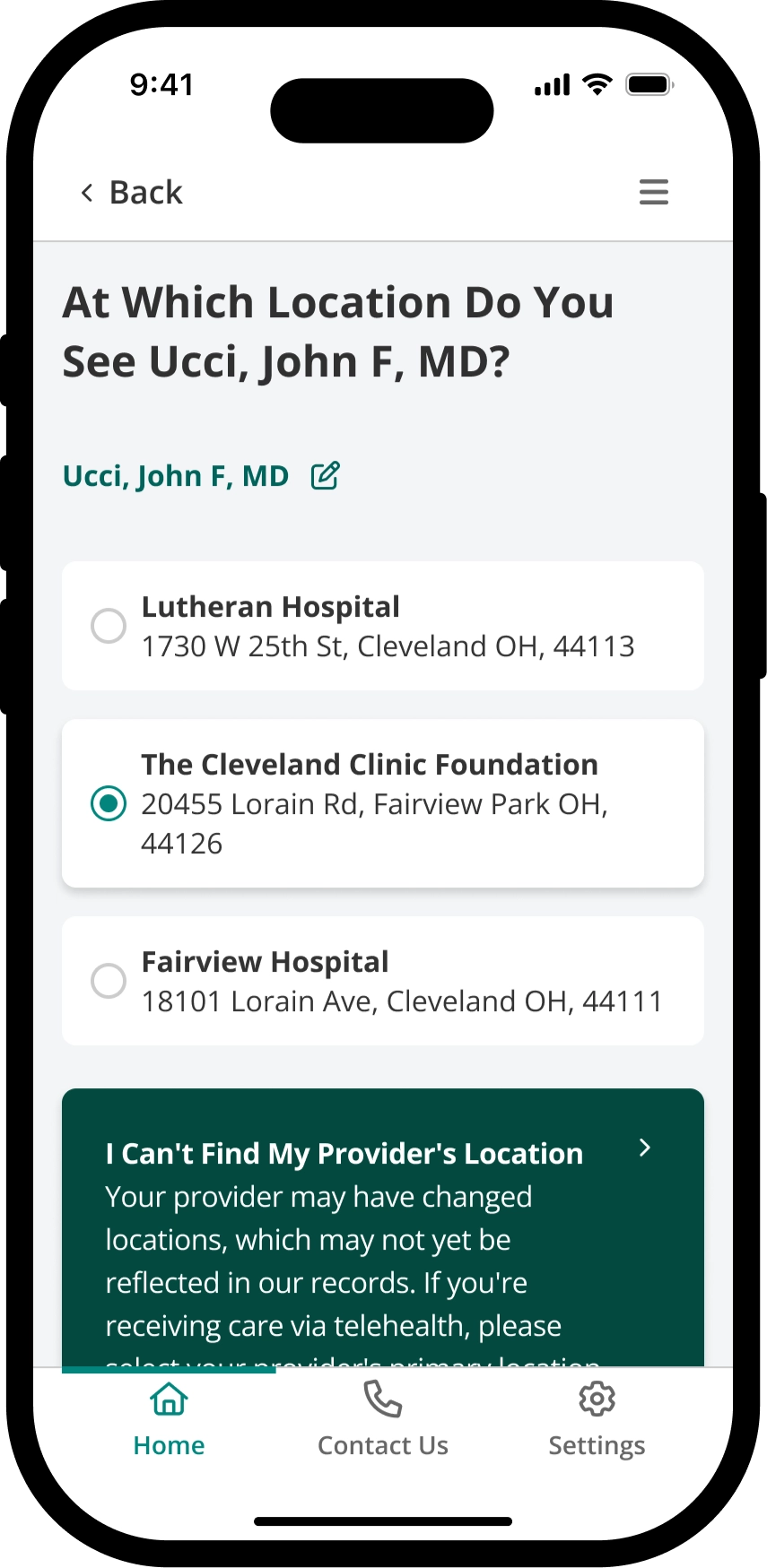
  • Information Architecture and Navigation: Evaluate navigation labels and the top 30 critical pages in new UI concepts to understand the usability of proposed design solutions.
  • Expand message prioritization framework: Determine how we might sync content between our content management systems and channels like native mobile, responsive web, and Figma.
  • Design System: Advocate for a design token pipeline to maintain visual language parity across various frameworks to contribute to a cohesive user experience.

Member Experience Scaling design consistency across 200+ product teams

CDO Priority Set expectations for brevity (15 min), establish credibility, preview your direct leadership impact. Say Your title, company context, the business problem scale. Emphasize "I led" statements, quantifiable scope (users, teams, timeline). Avoid Generic team language—focus on YOUR role/decisions.

Context The Challenge
  • Organization Medical Mutual is a leading health insurance company dedicated to providing comprehensive and affordable healthcare coverage. It focuses on improving the health and well-being of its members through innovative solutions and personalized service.
  • Problem 12 separate product teams building with different component libraries, creating fragmented user experiences and 3x development costs
  • Scope 200+ existing screens, 45 unique workflows, accessibility WCAG 2.1 AA compliance required
  • Timeline 3 months
  • Role UX Lead

CDO Priority Demonstrate strategic context awareness—why this mattered to the business. Say Root cause (acquisitions, tech debt, org structure), business cost/impact, constraints that made it hard. Emphasize Why YOU were brought in, executive stakes, urgency. Keep under 60 seconds.

Context My Role & Impact

  • Design Leadership Led team of 4 product designers, facilitated workshops with 12 product teams to align on shared patterns
  • Research & Strategy Conducted component inventory across all products, identified 78% overlap in user needs despite visual differences
  • Component Design Personally designed 32 core components, established token architecture for theming
  • Adoption & Governance Created adoption playbook, trained 60+ designers and developers, established design review process
  • Measurable Impact 67% reduction in design-to-development handoff time, 89% adoption rate within 12 months

CDO Priority Prove you led hands-on AND strategically. Say Specific actions YOU took (audited, designed, trained), tactical deliverables with YOUR fingerprints. Emphasize Leadership evolution—IC work that built credibility → process/systems you established. Connect metrics to your decisions. CDOs want to see agency, not task completion.

Research What We Discovered

  • User Interviews (n=48) Users couldn't tell they were using the "same platform"—78% reported frustration with inconsistent navigation patterns
  • Component Audit Found 14 different button styles, 9 modal patterns, 6 navigation systems—but underlying user needs were nearly identical
  • Developer Feedback Teams wanted components but feared losing customization—needed flexible system, not rigid templates
  • Accessibility Gap Only 23% of existing components met WCAG 2.1 AA standards
  • Key Insight Teams weren't resisting standards—they lacked confidence the system would solve their specific use cases

CDO Priority Show research rigor led to strategic insights, not just findings. Say Methods YOU used (interviews, audits, synthesis), key insight that changed the approach, how you reframed problems to leadership. Emphasize User empathy, business risk/opportunity, influencing up. 1 memorable story > 5 data points.

Exploration Approach

Strict Standardization

Single component library, no customization. Fast to build but teams rejected it during early feedback—too rigid for enterprise complexity.

Themed Components (Selected)

Shared foundation with theme layers per product line. Balanced consistency with brand flexibility. Required token architecture investment.

Loose Guidelines Only

Documentation-first approach with suggested patterns. Teams loved flexibility but wouldn't solve consistency problem—essentially the status quo.

CDO Priority Demonstrate design thinking—explored multiple paths, made informed trade-offs. Say Why each approach failed/succeeded, YOUR criteria for selection, what you personally built/designed. Emphasize Strategic architecture decisions (tokens, systems thinking), balancing user needs vs. business constraints. Show prototyping rigor, not perfection.

Process Critical Design Decisions

Contribution Model

Built system where teams could propose components—prevented ivory tower syndrome, increased ownership

Composition Over Configuration

Prioritized smaller, flexible primitives instead of mega-components with 50 props

Start Small, Prove Value

Launched with 12 components, not 100—focused on highest-impact patterns before scaling

Accessibility Non-Negotiable

Every component shipped with full keyboard nav, screen reader support, focus management from day one

Why these mattered Each decision addressed the trust gap from research—giving teams agency while maintaining quality standards

CDO Priority Prove you make principled decisions under ambiguity. Say Each decision's rationale, what you traded off, how decisions connected to research insights. Emphasize YOUR convictions (why you fought for X), where you adapted based on feedback. Focus on 2-3 decisions that show strategic maturity. CDOs value judgment over process.

Outcomes What Worked

  • Collaborative Design Workshops Bi-weekly sessions with product teams built trust and surfaced real needs early—became our secret weapon for adoption
  • Developer Partnerships Paired each component design with an engineering lead—ensured technical feasibility and created champions in dev org
  • Incremental Adoption Let teams migrate one feature at a time, not all-or-nothing—reduced risk and created internal case studies
  • Usage Analytics Instrumented components to track adoption—data showed which patterns teams valued, informed roadmap priorities
  • Result Six product teams went from skeptical to advocates, actively recruiting other teams to adopt the system

CDO Priority Show execution + change management skills. Say Specific tactics YOU ran (workshops, partnerships, pilots), how you drove adoption without authority. Emphasize Building coalitions, creating internal champions, adapting when initial plans failed. Mention systems/frameworks you created that others could replicate. CDOs hire multipliers, not doers.

Learnings What Didn't Work

  • Initial Documentation Approach Started with technical API docs—designers ignored them. Pivoted to visual examples and use-case galleries.
  • One-Size-Fits-All Timelines Pushed aggressive adoption deadlines that backfired—teams rushed, built poorly, blamed the system. Learned to negotiate realistic timelines per team.
  • Complex Component (Data Visualization) Spent 6 weeks designing a comprehensive charting library—too complex, teams built workarounds. Should have started simpler.
  • Governance Bottleneck Made myself the approval point for all contributions—created delays and frustration. Distributed decision-making to design leads instead.
  • Key Learning Perfection was the enemy of adoption. Speed and flexibility won over comprehensiveness every time.

CDO Priority Demonstrate self-awareness and learning agility—critical for senior roles. Say 2-3 failures YOU owned, what you learned, how you pivoted quickly. Emphasize Personal accountability ("I pushed too hard," "I bottlenecked"), data-informed corrections, humility. CDOs respect vulnerability + action. Never blame team/stakeholders—show ownership.

Reflection Key Lessons

  • Lesson 1 Design systems are change management problems first, design problems second—invest in relationships and communication as much as components
  • Lesson 2 Start with the pain points teams actively complain about, not what seems architecturally pure—solve real problems to build momentum
  • Lesson 3 Instrument everything from day one—usage data turned subjective debates into objective decisions and proved ROI to skeptical stakeholders
  • Lesson 4 Distributed ownership scales better than central control—create contribution pathways and empower teams to co-own the system
  • Lesson 5 Celebrate small wins publicly—every successful migration, every accessibility improvement, every time saved—visibility creates momentum

CDO Priority Synthesize insights into transferable principles—show you build repeatable systems. Say 3-5 lessons that transcend this project, how they'd apply to new contexts. Emphasize Strategic maturity ("systems > heroes"), process innovations you'd bring to their org. Connect lessons to CDO concerns scaling design, org transformation, cross-functional influence.

Results Impact

67%

Reduction in design-to-development handoff time (from avg 8.3 days to 2.7 days)

89%

Adoption rate across product teams within 12 months (target was 70%)

100%

Accessibility compliance—all components met WCAG 2.1 AA standards, zero defects

$2.1M

Estimated annual cost savings in development efficiency (finance team calculation)

Qualitative Impact Transformed design org culture from siloed teams to collaborative practice—pattern library became shared language across company.

CDO Priority Quantify business value in their language—this is THE slide that matters. Say How metrics were measured (methodology = credibility), before/after comparison, financial impact. Emphasize Metrics tied to YOUR decisions/work, exceeded goals (show ambition), qualitative transformation. Spend 90 seconds here. CDOs fund impact, not activity. Always tie to revenue/cost/risk.

Future What's Next

  • Expanded Scope System now supports 3 new product lines launched in 2024, proving scalability of token architecture
  • Continued Learning This project taught me to lead through influence, not authority—balancing vision with pragmatism at enterprise scale
  • Process Innovation Contribution model and workshop approach now used by other design teams as template for change management
  • What I Bring Ability to operate strategically while executing tactically—comfort with ambiguity and stakeholder complexity

CDO Priority Connect past success to future value for THEIR org. Say Proof of sustainability (what happened after you ), transferable capabilities you demonstrated. Emphasize Leadership philosophy, comfort with ambiguity, what you'd bring to their specific challenges. Close with confidence "This taught me to [capability], which aligns with your [need]."

Discussion Questions & Deep Dives

I'm happy to elaborate on any aspect of this work—from specific design decisions to stakeholder management strategies to technical implementation challenges.

What areas would be most valuable to explore further?

CDO Priority Invite engagement, show depth without overwhelming. Say "Happy to elaborate on [their concern]—design process, stakeholder dynamics, technical decisions." Emphasize You have more depth than shown, you're collaborative and open. Read the room If early (13 min), offer areas to expand. If late (16 min), offer Q&A only. Demonstrate executive presence.